

lrs


Tracking Augmented Reality events

Often, I perceive the end-goal of TIN CAN Learning in the Just-In-Time (JIT) form. The scenario I usually provide is of a person learning to operate a new type of industrial vehicle (a skill based learning) where the learner has already completed a knowledge based training session where they learned the operational theory and maintenance related tasks to be performed.
dennis

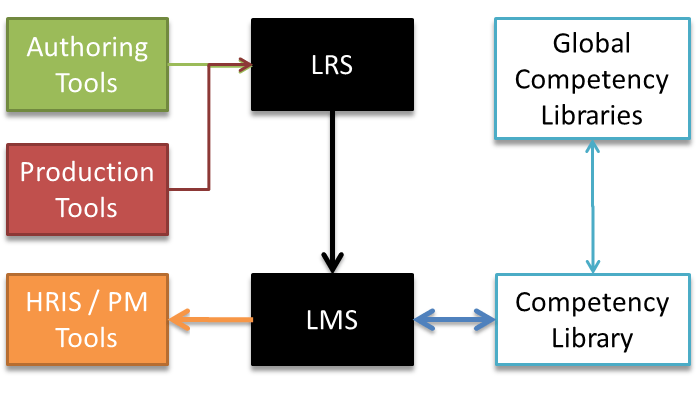
xAPI_Ecosystem

Learning Management Systems – Everything you already know

This is a big topic, so be prepared to fall asleep in the process. This first post, describes everything you ever wanted to know about SCORM. We could discuss AICC (the predecessor to SCORM), but that goes back to the 90’s (as you will later see) and is most likely no longer used anywhere today. A Learning Management System (LMS) provides management and learners with results based information. In the future, you should expect more from your LMS. The type of information we get today varies based on many factors, is usually generated around organizational requirements and, is restricted by the type of LMS we use as well as any customizations we’ve had to make to it. Let’s take a look at the most popular


dennis

TIN CAN – Cutting through the tech-talk

There are so many blog posts and technical documents on the internet telling you about TIN CAN, xAPI and the available products that they can leave your head spinning. It seems every time you start reading information about TIN CAN and xAPI, within a short period the information starts getting technical and understandably confusing to most of us. There are reasons for this… The TIN CAN API (also known as the Experience API (xAPI)) is just that – an Application Programmer Interface (API) letting you programmatically make use of features and functions that the xAPI serves. In plain terms, this means; TIN CAN API is a bunch of code level access points in a web service where a program can send and receive information to an